What will our communities look like fifty years from now? No one can predict the future with certainty, but we can prepare for it.
Change is accelerating — in our climate, our infrastructure, and in the way our communities grow. Rising temperatures, intensifying storms, and shifting expectations are testing the limits of our natural and built systems. Building resilience means facing uncertainty directly and designing for flexibility and adaptation.
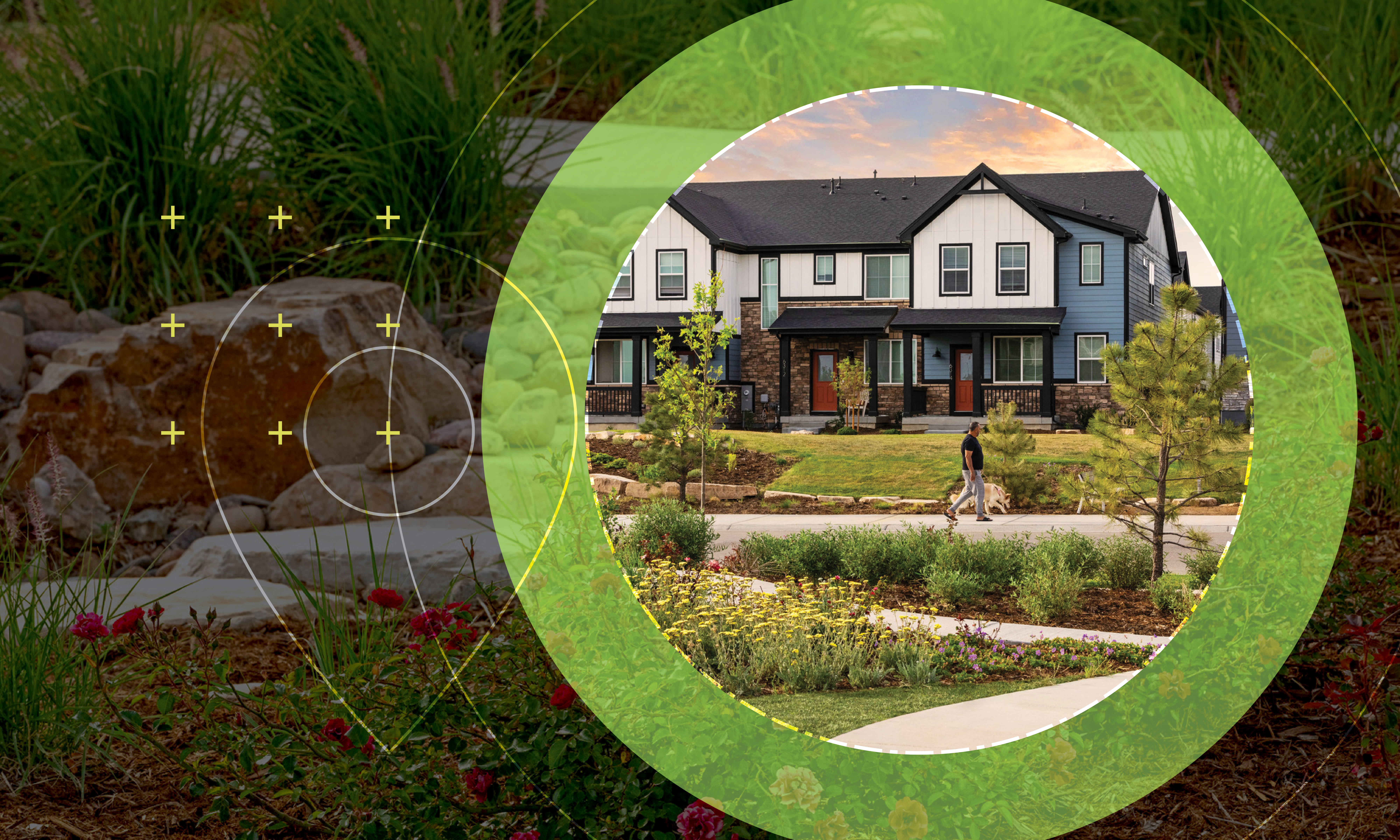
Designing with change in mind comes to life through solutions that are both creative and practical. Communities are built to evolve over time, aligning with shifting market trends. Infrastructure is planned to meet today’s needs while anticipating future growth. Green infrastructure and low-impact design strategies help mitigate the effects of climate change, creating a built environment that works in harmony with natural systems.
As LandDesign President Rhett Crocker, PLA, explains, this focus on adaptability is essential for long-term success. “When we design with the future in mind, we’re not just solving for current conditions,” Rhett says. “We’re creating places that can adapt to change and continue to serve communities for generations.”
Scale Isn’t a Barrier to Resilience
Future-ready planning takes many forms. At one scale, it may guide the creation of a new neighborhood or development. At another, it may focus on shaping an entire district poised for transformation. In every case, the goal remains the same: to create places ready for what comes next.
Two recent LandDesign projects, The River District and the Port District Master Plan, show how thoughtful planning can shape communities to adapt and thrive, whether through preserving natural systems or creating new opportunities for connection.
The River District – Preserving Wetlands and Open Space
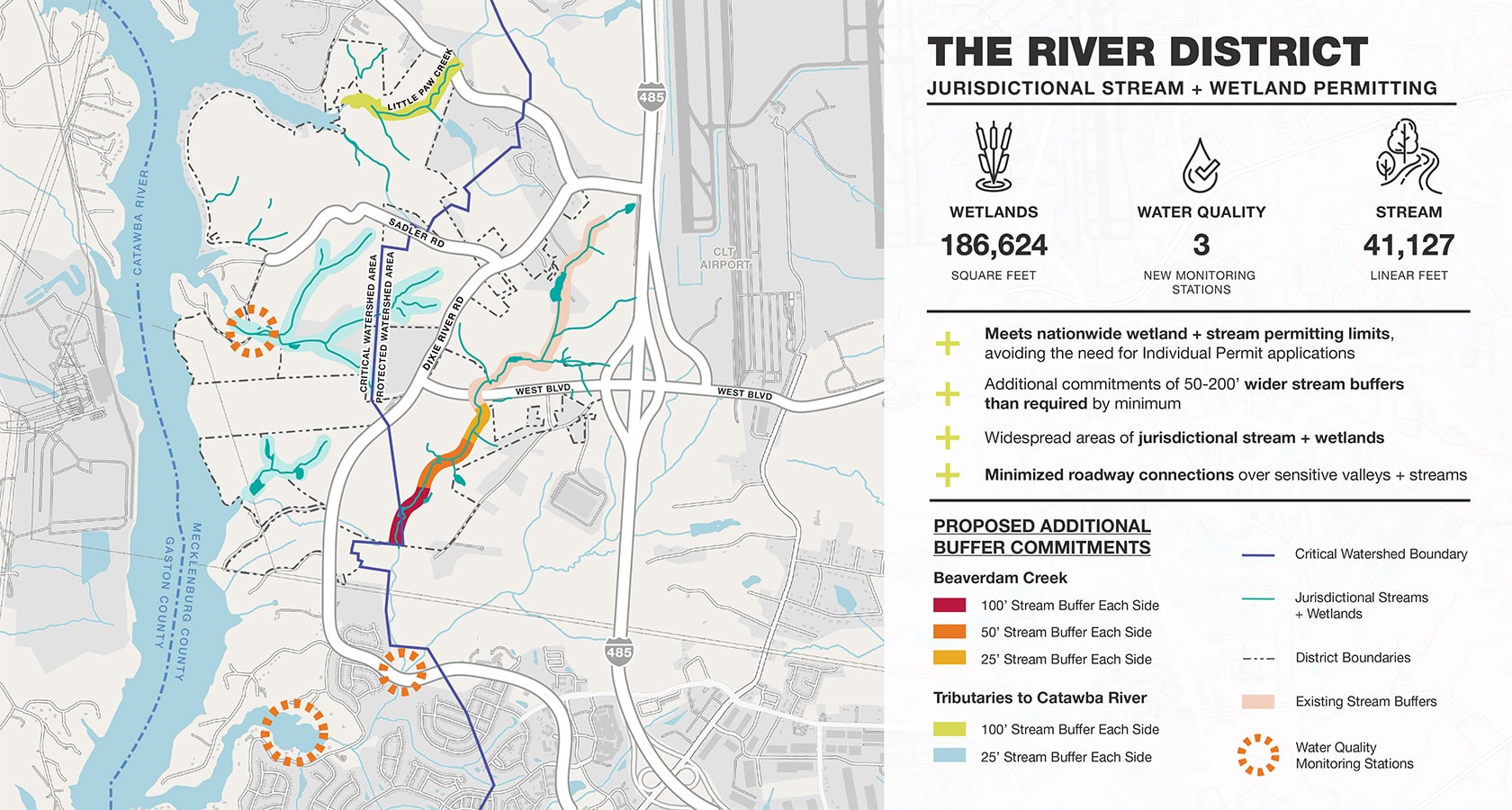
Along the Catawba River in Charlotte, North Carolina, The River District embraces growth while honoring the site’s ecological framework. LandDesign led the planning process for this 1,400-acre master planned community with a guiding vision: development should work in harmony with the natural systems that define the landscape.
The plan prioritized preserving wetlands, riparian corridors, and large areas of open space, ensuring that future growth would protect sensitive habitats and maintain the health of the riverfront. Trails, greenways, and parks were integrated throughout to connect residents with nature while encouraging active recreation and sustainable mobility.
As Dale Stewart, PE, the project engineer, explains, “Our team was deeply committed to designing a framework where nature drives the plan. By preserving wetlands and open spaces up front, we’ve created a resilient foundation for future growth — one that protects natural resources while creating vibrant places for people.”
By carefully siting development and weaving natural systems into every layer of the plan, The River District establishes a model for growth that is resilient, sustainable, and deeply connected to place.
Port District Master Plan – Flexibility Along the Waterfront
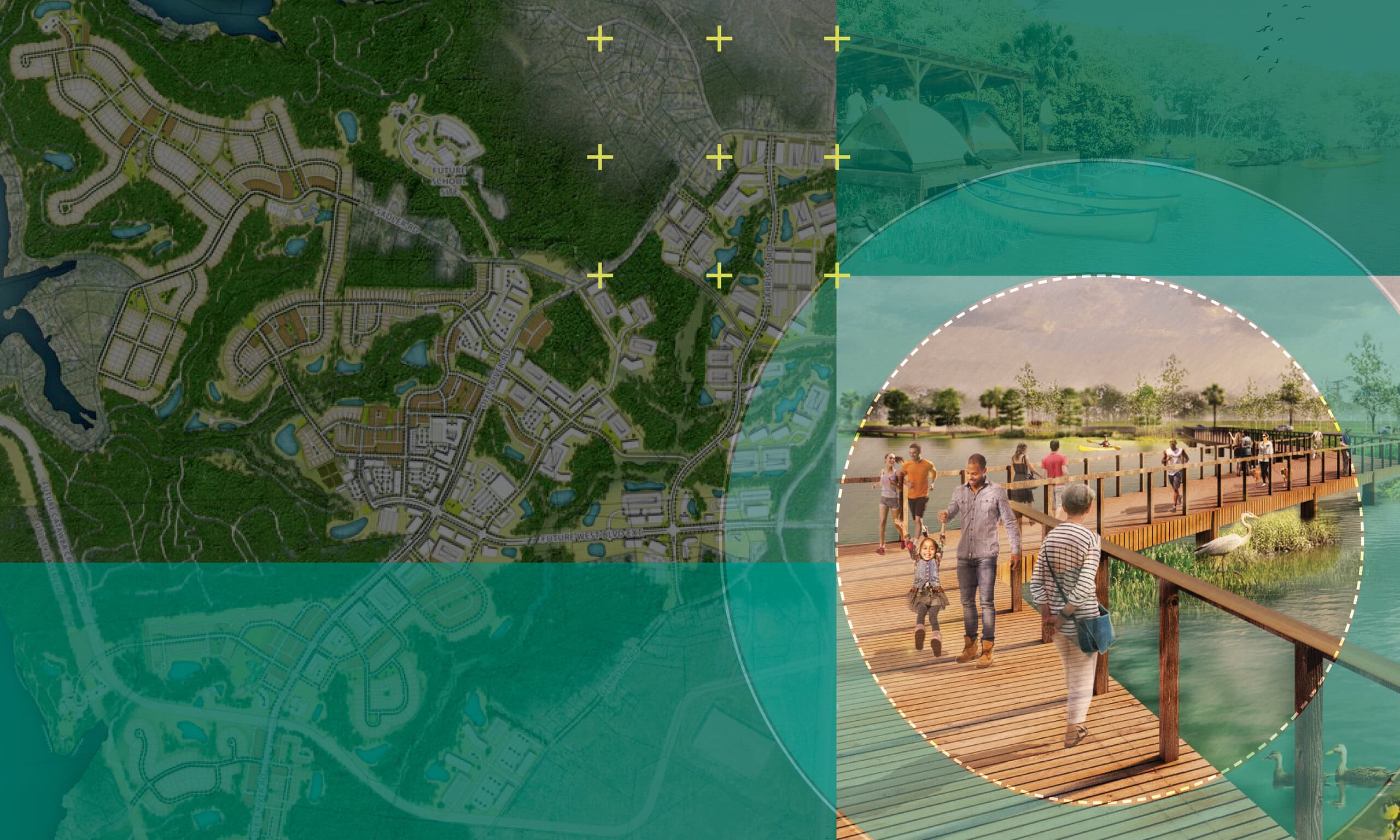
At a different scale, the Port District Master Plan reimagines a largely undeveloped waterfront site along the St. Lucie River into a vibrant, accessible community destination. With just 10% of the area developed today, the plan provides a flexible framework for future growth and connection.
The vision focuses on creating strategic links between existing and future spaces, encouraging exploration of these natural areas by walking, biking, kayaking, and boating. It outlines opportunities for new public open spaces, pedestrian boardwalks and trails, additional water access points, strategic commercial development, and preserved natural areas.
This forward-looking plan ensures that as the district evolves, it remains rooted in community needs while responding to environmental and recreational opportunities.

Charting the Path Ahead
Resilience is never static. It is a continuous process of planning, adapting, and preparing for what comes next. Whether it’s a bold new town like The River District or an activated waterfront plan like The Port District, future-ready planning creates places that can grow and change alongside the communities they serve.
In our final post, we’ll explore how restoring and repairing existing places completes the cycle of resilience and ensures lasting value for both people and the environment.